
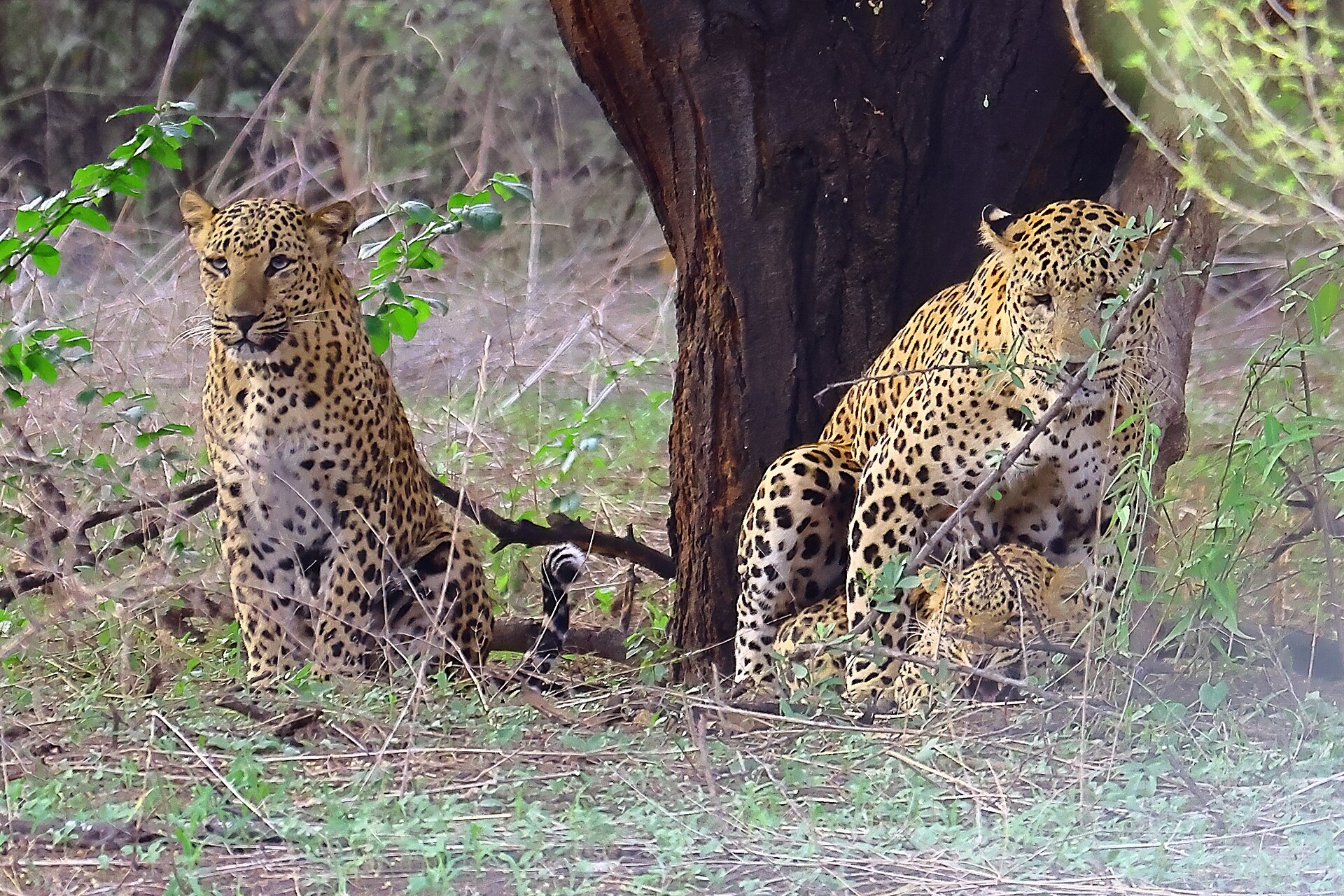
The Indian leopard
Leopards are the most adaptable of India’s big cats — at home in forests, rocky hills and even on the edges of cities. Each one carries a unique pattern of rosettes, which is how researchers tell individuals apart in camera-trap photos.
They are strong climbers, often resting on rocks or in trees, and mostly active around dawn and dusk — exactly when Jhalana’s two safari slots run. Some Jhalana leopards are well known to regulars, like the male “Bahadur” and the dominant male “Rana”.
Jhalana’s leopard population has roughly doubled in recent years, from about 20 in 2018 to around 40 today, thanks to protection under Project Leopard.
Up to 58 km/h. Blink and you'll miss it.
Leopards are masters of stealth — our naturalists know their favourite rocks, trails and waterholes.
Wildlife you may spot
Camera traps in Jhalana have recorded 14 wild mammal species, and birders have logged 200+ bird species.
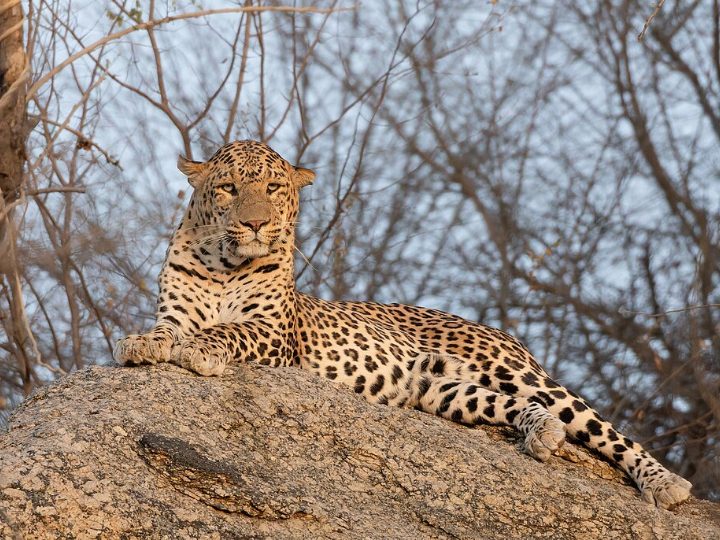
Indian Leopard
The star — Jhalana has one of the densest leopard populations anywhere.
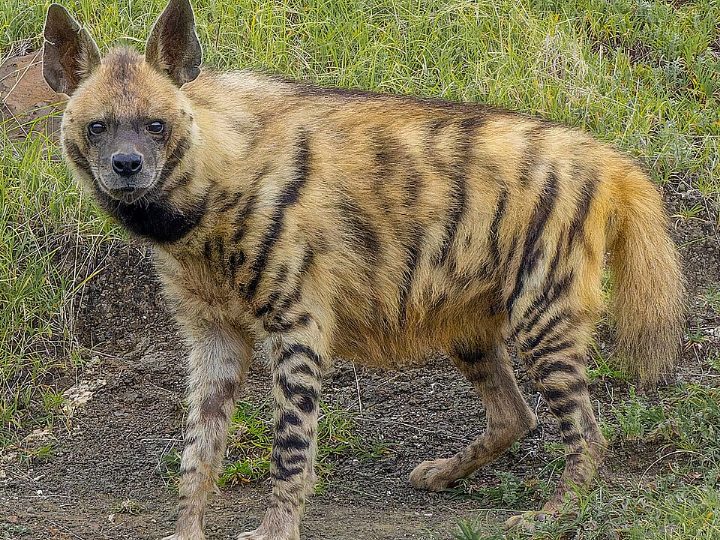
Striped Hyena
Shy, nocturnal scavenger, sometimes seen at dusk.
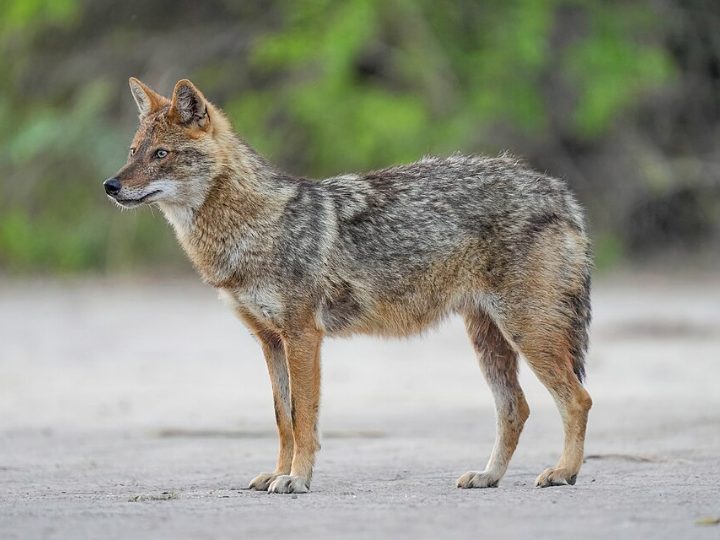
Golden Jackal
Often trotting along the safari tracks.
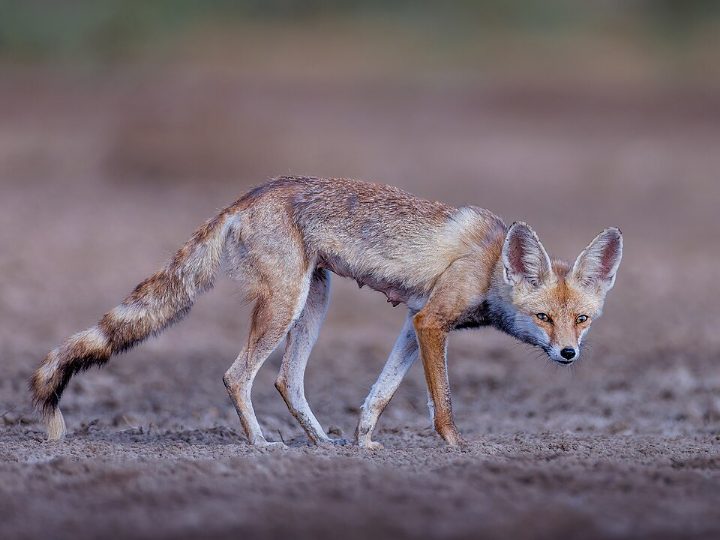
Desert Fox
Small, sandy and quick on dry open patches.
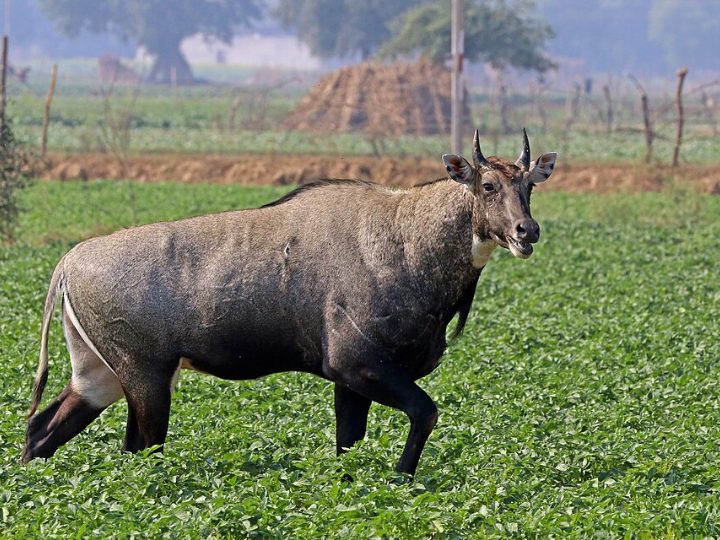
Nilgai
Asia's largest antelope, the 'blue bull'.
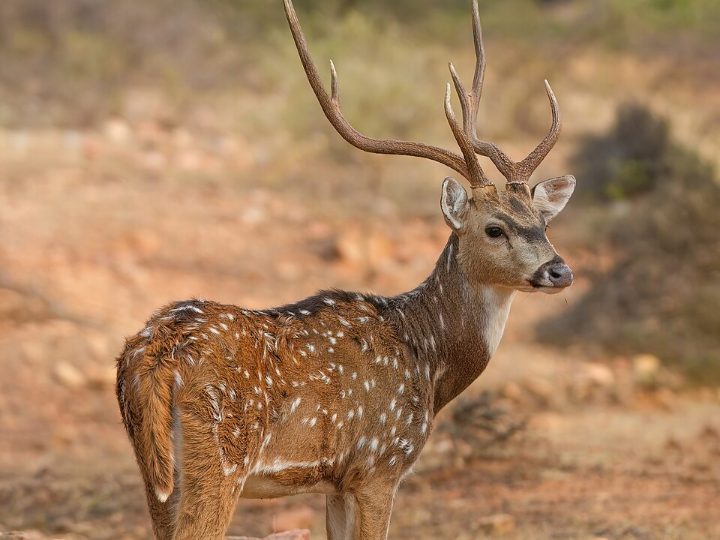
Spotted Deer
Chital herds near the waterholes.
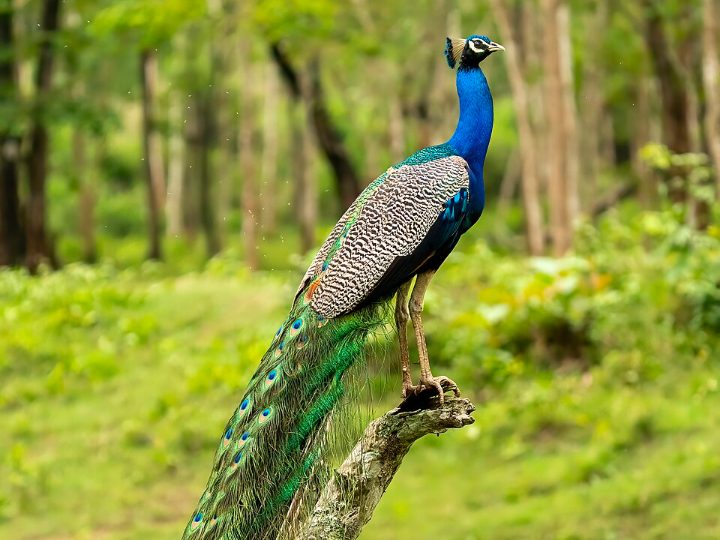
Indian Peafowl
Rajasthan essential — loudest at sunrise.
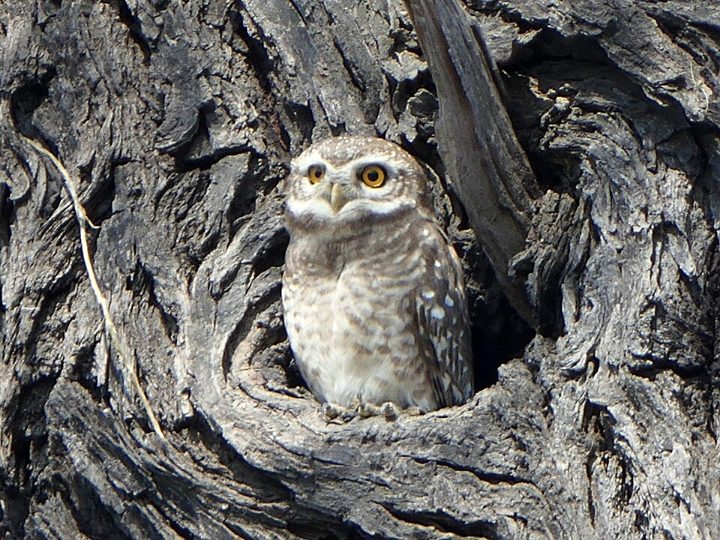
Spotted Owlet
Peeks from tree hollows on evening drives.
Best time for sightings
Early mornings and late evenings are when leopards move most. In summer, waterholes draw animals out into the open; in winter the soft light and cool air make long drives comfortable.
For birders
Jhalana's checklist runs to more than 200 species. Look out for Indian peafowl, spotted owlets in tree hollows and raptors over the ridges — bring binoculars.
Photography tips
A 100–400 mm zoom covers most situations. Keep your camera ready from the gate, shoot at a fast shutter speed, and let your guide position the gypsy — leopards often appear without warning.
Moments from our safaris
Ready to meet the leopards?
Seats in Jhalana sell out fast in peak season. Lock in your slot today.